
Welcome to our Chimney Care Blog, where we share expert tips on chimney maintenance, repair, and safety. Whether you need help with regular upkeep or emergency repairs, our guides will help keep your chimney in top condition, ensuring safety and efficiency year-round.
1. Why Regular Chimney Maintenance is Crucial for Your Home’s Safety
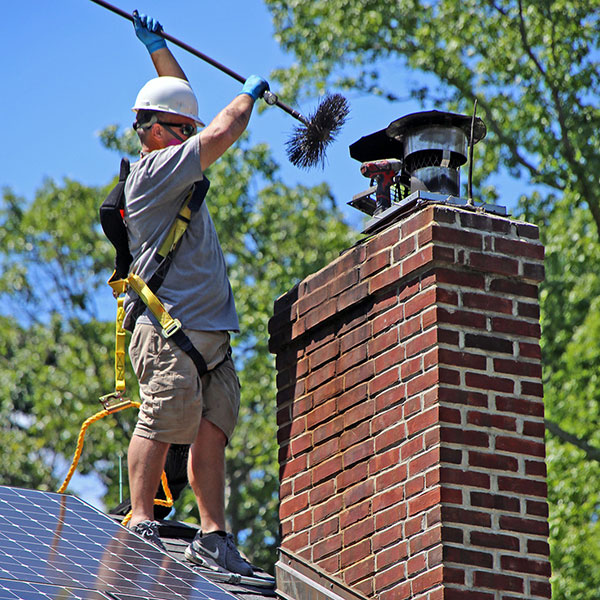
Proper chimney maintenance is essential to prevent fires, carbon monoxide leaks, and other hazards. Over time, creosote can build up inside the chimney, which increases the risk of a chimney fire. Additionally, debris, animal nests, or even structural damage can prevent proper airflow, affecting your fireplace’s efficiency and safety.
Key Signs Your Chimney Needs Maintenance:
- Increased smoke in the room
- Unpleasant odors
- Visible cracks in chimney masonry
- Difficulty lighting fires
Pro Tip: Schedule an annual chimney inspection to ensure everything is in good working order.
👉 Need a Chimney Inspection? Book Now
2. The Importance of Chimney Sweeping: How Often Should You Do It?
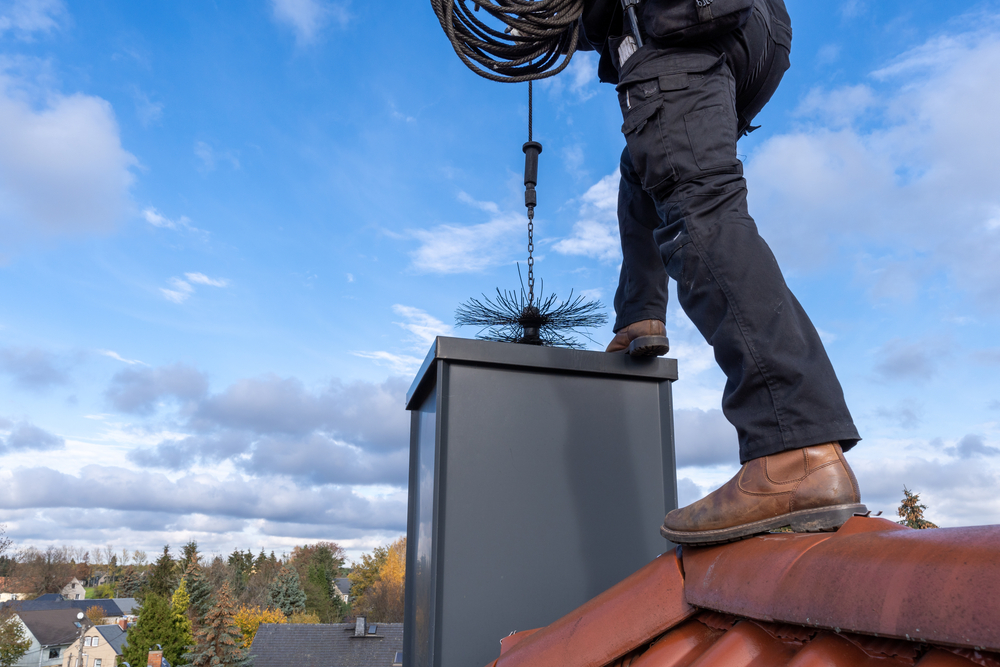
Regular chimney sweeping helps remove dangerous creosote buildup and debris, reducing the risk of chimney fires. Experts recommend sweeping your chimney at least once a year, especially if you use your fireplace frequently.
Why is Chimney Sweeping So Important?
- Prevent Fires: Remove creosote buildup, which is highly flammable.
- Improve Efficiency: A clean chimney allows for better airflow, which can reduce heating costs.
- Safety First: A professional chimney sweep can spot hidden issues, such as blockages or structural damage.
Pro Tip: If you burn wood regularly, consider sweeping your chimney more frequently — ideally after every 50 fires.
👉 Schedule Your Chimney Sweeping Today! Contact Us
3. Common Chimney Repair Issues (And How to Fix Them)
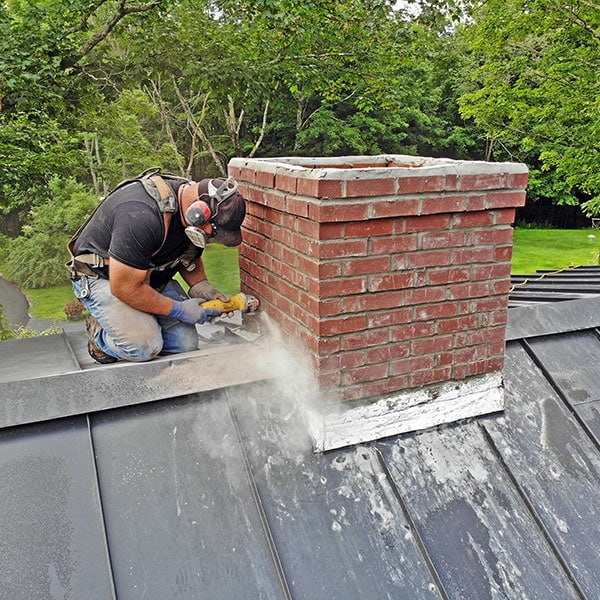
While regular maintenance can prevent many problems, chimney repairs may still be necessary. Here are some common chimney issues and how to address them:
- Cracked or Damaged Masonry: Cracks in the chimney can cause water damage and reduce structural integrity. Quick repairs are vital to prevent further damage.
- Blocked Chimney: Blockages caused by leaves, animal nests, or debris can restrict airflow, leading to smoke backdrafts and dangerous carbon monoxide buildup.
- Deteriorated Chimney Cap: A worn-out chimney cap can allow rain, debris, and animals into the chimney. Replacing it can help protect your chimney from the elements.
👉 Need Chimney Repairs? Get a Free Quote
4. Chimney Safety Tips: Protect Your Home and Family
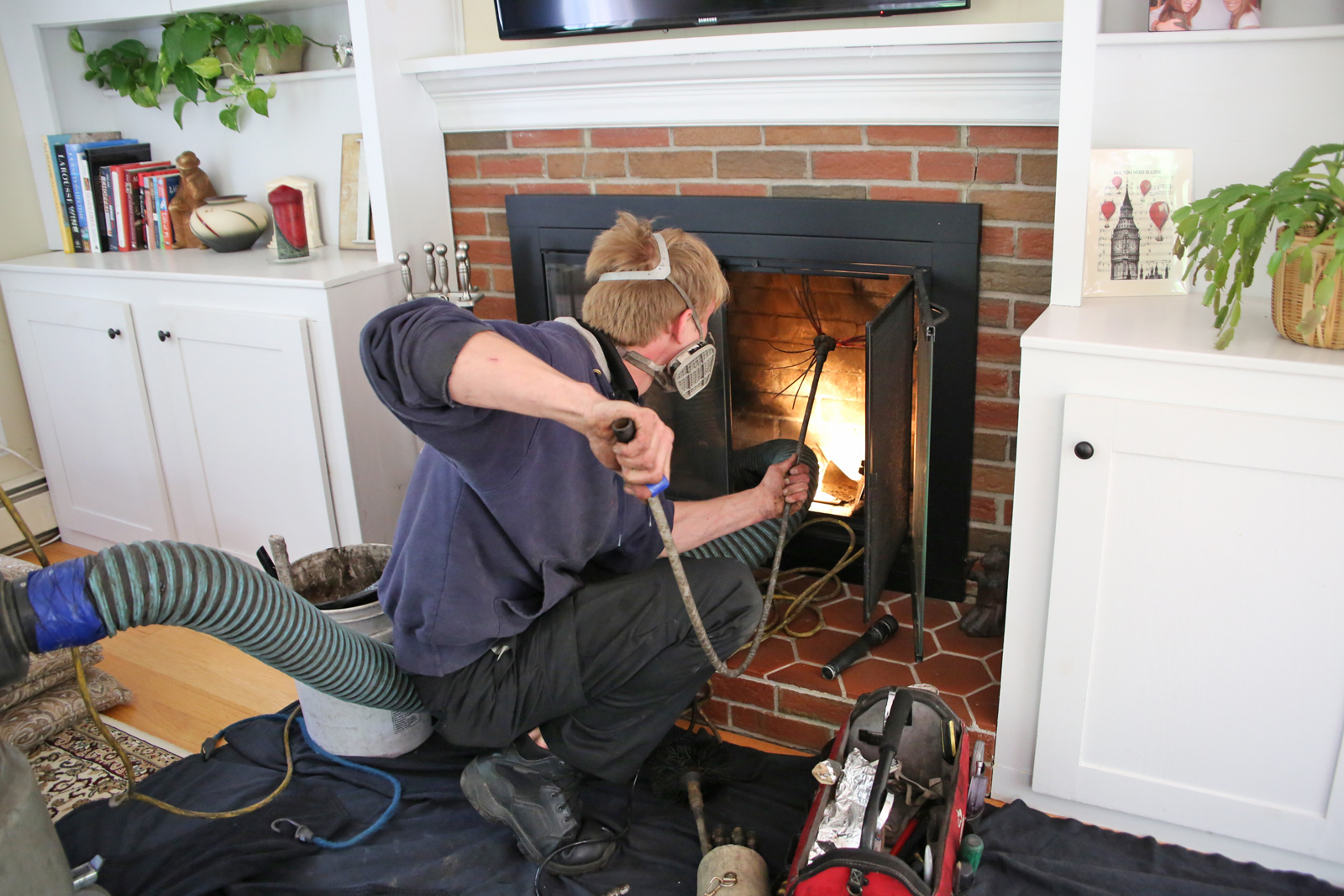
Chimney safety is essential to ensure your fireplace operates as efficiently as possible while minimizing the risk of dangerous issues like fire and carbon monoxide poisoning.
Here are some safety tips:
- Use Seasoned Wood: Burn only dry, well-seasoned wood. Wet or green wood produces more creosote, increasing the fire hazard.
- Install Carbon Monoxide Detectors: Place detectors near your chimney and in sleeping areas.
- Avoid Overheating Your Fire: Keep the fire at a manageable level and avoid overloading the fireplace with too much wood.
Pro Tip: Regularly inspect your chimney cap, flue, and damper to make sure they are functioning properly.
👉 Protect Your Home — Schedule a Chimney Safety Inspection Book Now
5. How to Tell If Your Chimney Needs to Be Replaced
Chimneys are built to last, but like any part of your home, they wear out over time. If your chimney is showing significant wear and tear, it might be time for a replacement. Signs to watch for:
- Extensive Masonry Damage: Crumbling brick or mortar could be a sign that the chimney needs to be replaced.
- Frequent Repairs: If you’re constantly calling for repairs, it might be more cost-effective to replace the chimney entirely.
- Old Age: Chimneys over 50 years old may need to be rebuilt to meet modern safety standards.
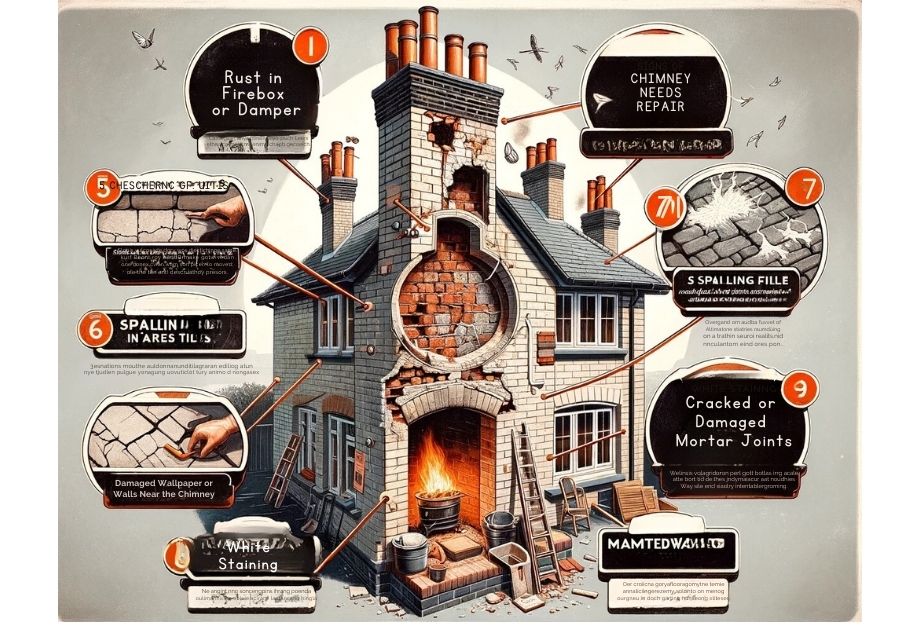
👉 Need a Chimney Replacement? Get a Consultation
6. Tips for Maintaining a Safe and Clean Chimney in Winter
During the colder months, your chimney works harder than ever. To ensure its longevity and safety:
- Clear the Area Around the Chimney: Keep the area clear of flammable materials, such as leaves, twigs, and furniture.
- Check for Leaks: Before the cold weather sets in, check your chimney for leaks or cracks that could allow water into the structure.
- Have Your Chimney Inspected: Schedule a pre-season inspection to ensure everything is working properly before heavy usage.

👉 Winter Chimney Check? Book an Inspection Now
Conclusion: Keep Your Chimney in Top Shape for the Season
Your chimney is a vital part of your home’s heating system, and proper maintenance can keep it functioning safely and efficiently for years to come. Follow our tips, schedule regular inspections, and address issues promptly to protect your home and loved ones.
Need help with chimney inspection, sweeping, or repairs? Our experienced team is ready to assist with all your chimney care needs.
👉 Contact Us Today! Get a Free Estimate